
However, alcohol inhibits the action of aldosterone, reducing does alcohol hydrate you the kidneys’ ability to retain water. As a result, more fluid is excreted, further contributing to dehydration. In summary, alcohol’s impact on kidney function is multifaceted. It reduces water reabsorption in the kidneys, increases fluid excretion, and impairs the kidneys’ ability to concentrate urine. These effects can disrupt the body’s fluid balance, contribute to dehydration, and potentially harm kidney health in the long run. Alcohol’s diuretic effect stems from its ability to inhibit the secretion of vasopressin, also known as antidiuretic hormone (ADH).

Does Wine Dehydrate You?
More severe dehydration could involve dizziness, rapid heartbeat, or even confusion. These symptoms aren’t just a mild inconvenience; they’re warnings to seek medical attention. It’s important to note that dehydration from alcohol can also lead to the formation of kidney stones. When the body is dehydrated, the urine becomes more concentrated, increasing the risk of crystal formation in the kidneys. These crystals can clump together to form kidney stones, which can be incredibly painful and may require medical intervention to remove. Alcohol is a diuretic because it suppresses the release of vasopressin, also known as antidiuretic hormone.
Relevant Research on Beer Hydration
Ethanol is typically made by fermenting high-carb grains or fruits such as sugar cane and grapes. However, not all carbohydrates and sugars are broken down during what is Oxford House the fermentation process, leaving residual carbs in the final product. The industrialization of farming and food sourcing has brought a lot of benefits to our world. We’re able to feed more people in significantly less time — and better prevent things like hunger, malnutrition, and food poverty.
- Let’s dive into the science behind the parched post-party feeling.
- Rather than dehydrating, which can impair these processes, staying hydrated accelerates the elimination of alcohol and its toxins.
- We offer 24/7 medication-assisted treatment to relieve withdrawal symptoms that occur when alcohol use is reduced or stopped and before they turn into alcohol withdrawal syndrome.
- If you have consumed a significant amount of alcohol, it’s also important to give your body time to recover through rest.
About Medical News Today
By understanding why alcohol makes you dehydrated, you can make better decisions when it comes to your drinking habits and keep yourself safe and healthy. One of the hormonal changes that occur when alcohol is consumed is the suppression of anti-diuretic hormone (ADH). ADH is responsible for regulating the amount of water reabsorbed by the kidneys. When ADH levels are decreased, the kidneys excrete more water, leading to increased urine production.
Find the Healthiest Bread: Expert Guide
Occasional dehydration from alcohol might leave you feeling unwell for a short period of time, but excessive and prolonged dehydration from alcohol https://duballclub.net/the-cycle-of-alcohol-addiction-national-institute-2/ use does present a few more serious risks. This is because it can begin to affect organs and their function, skin health and overall well-being. For this reason, you must look out for the signs of alcohol dehydration and take a proactive approach to maintaining appropriate hydration levels before, during and after consuming alcohol. Studies also show that alcohol dilates the blood vessels, which leads to an increase in blood flow to the skin.
“Therefore drinking a sugary alcoholic beverage can make it worse and cause dehydration.” In summary, the alcohol metabolism process is a well-defined biochemical pathway that is not influenced by dehydration. The body’s ability to break down and eliminate alcohol remains consistent, regardless of hydration status. While dehydration may alter the perception of alcohol’s effects due to changes in blood alcohol concentration, it does not expedite the metabolic process. Understanding this distinction is essential for promoting accurate information about alcohol metabolism and its relationship with hydration. NSAIDs may irritate the stomach, so skip them if you have a stomachache.
- Instead, dehydration can exacerbate the negative effects of alcohol, such as headaches, dizziness, and fatigue, because alcohol itself is a diuretic that increases urine production and fluid loss.
- So, maybe consider opting for something with a lower percentage.
- By incorporating Jelly IV into your night-out routine, you can reduce the severity of hangovers, combat dehydration, and support overall wellness, ensuring you feel refreshed the next day.
- Food helps slow down the absorption of alcohol into your bloodstream, giving your body more time to process it.
- Some research even suggests that moderate alcohol consumption might not cause significant dehydration in healthy individuals.
Is it possible to become severely dehydrated from alcohol consumption?
Just like a factory needs the right balance of resources to operate efficiently, cells need the right balance of water and electrolytes. When alcohol throws off this balance, it’s like a wrench in the machinery, causing inefficiency and potential damage. Dehydration may also impair blood sugar response in some, such as those with type 2 diabetes. Research from 2017 found that people with diabetes who had 3 days of low water intake had an impaired blood glucose response. Significantly high levels of caffeine intake may contribute to dehydration by stimulating the body to release more liquid than usual. Drinks containing high amounts of alcohol, caffeine, and sugar are most likely to perform as diuretics in the body and promote dehydration.

What About Alcohol Makes It Dehydrating?
Sweating is a natural cooling mechanism that helps regulate body temperature. However, excessive sweating due to alcohol can lead to fluid loss and contribute to dehydration. It’s important to replenish the lost fluids by drinking hydrating beverages and avoiding excessive alcohol consumption in hot environments. As we’ve explored, alcohol’s impact is multifaceted, but its primary attack on your hydration levels stems from a powerful biological chain reaction.
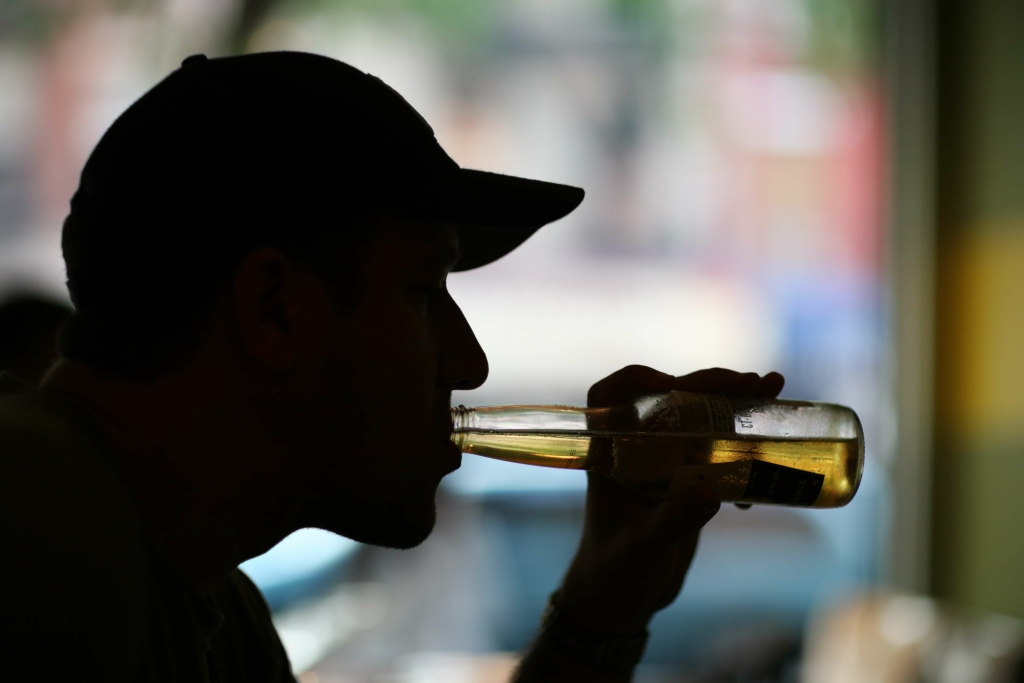
Sugary and caffeinated drinks can have diuretic effects similar to alcohol, leading to further dehydration. So don’t mix your alcohol with these or drink them between alcoholic beverages. Relatedly, alcohol consumption can also cause vasodilation, which is the widening of blood vessels. For example, exercising while drinking can lead to greater dehydration due to increased sweating. Similarly, taking certain medications, such as diuretics or antihistamines, can exacerbate alcohol’s dehydrating effects.