

Boost your team efficiency, capacity, and productivity while reducing costs with cloud based automation. Maintaining up-to-date antivirus and anti-malware software is essential to protect against malicious software that can compromise data security. Backing up data is a critical step in protecting against data loss due to system failures, cyberattacks, or other disasters.
Accounting Security Tips to Keep Your Firm Secure
Instead, use a secure accounting client portal to share and collect documents. Clients can upload files directly, and you decide who on your team can view or download them. Insiders like partners, staff, or contractors can cause or enable more security breaches than you would think.

How Accounting Firms Can Embrace And Implement The Right Cybersecurity Strategy
Many people believe that the accounting lifespan and data protection are unrelated. For instance, in addition to hacking, financial data dangers can also involve mistakes and unintended data breaches, necessitating complex solutions to data loss prevention. Accountants and accounting firms are aware that financial data leaks pose a threat to their employment, company expansion, client relationships, and other factors. The account information you use to accounting security monitor debits and credits is also open to malware and other criminal behavior.
External Threat Protection
Accounting firms store data that can be used for identity theft, tax fraud, and financial account takeovers. So when a breach occurs, it’s a direct threat to your clients’ financial lives. Your potential cybersecurity provider should have transparent communication channels and provide regular updates on security matters, incident response activities, and overall system health.
- Insider threats often come from employees or contractors who misuse their access to data.
- Blockchain-based identity verification systems are replacing traditional username/password authentication in embedded accounting platforms.
- Businesses should document the circumstances leading to forfeiture to substantiate their financial records and defend against potential disputes.
- While these are all very pertinent to a firm’s success, they often miss out on the crucial element of cybersecurity.
- Improve your accounting firm’s productivity and client satisfaction by excelling in these five critical workflows.
- Maintaining up-to-date antivirus and anti-malware software is essential to protect against malicious software that can compromise data security.
Accounting firms share their clients’ confidential data only through secure channels. This data is then handled by a dedicated Client Advisor, who provides limited access to respective teams to work on through secure internal networks. At no time can this data be downloaded or shared internally by any other means other How to Invoice as a Freelancer than the one prescribed in the data security policy. Once the work gets submitted, it is automatically deleted from all internal shared drives.


Internal controls are examined, access logs are kept track of, and penetration tests are carried out as part of auditing to find any vulnerabilities that may be used by cybercriminals. Any business handling sensitive financial and personal client data must comply with stringent government regulations. And as technology advances, and cybercriminals advance with it, regulatory bodies will continue to update and expand their requirements, too. Accounting firms often deal with phishing attacks, malware infections, and ransomware. Use multi-factor authentication and verify requests by phone or in person when sensitive actions are involved.
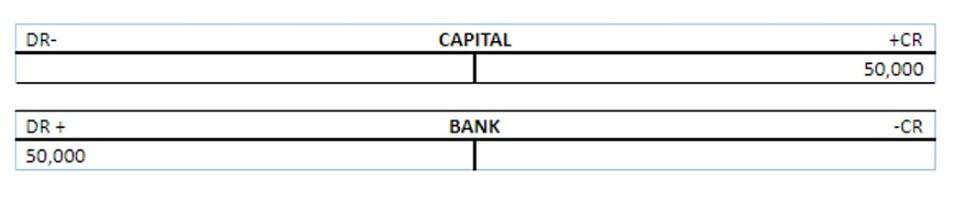
This is particularly relevant for industries with high deposit volumes, such as real estate or event management, where consistent policy application is crucial. Encrypting data, both at rest and in transit, ensures that even if data is intercepted or accessed by unauthorized individuals, it remains unreadable and secure. Karbon CEO, Stuart McLeod discusses why and how security and privacy should be embedded deeply into the culture of your accounting practice. There are a lot of applications under that broad definition and so social engineering is considered an umbrella term for some of the other threats unpacked below. Bad actors are constantly updating their tactics to try and compromise your system, but there are several archetypes that most cyber attacks fall into. Understanding these approaches is an excellent first line of defense you can implement easily and at no cost.
- A recent Deloitte survey clues us in on how you can attract millennials to your accounting firm.
- Check out our top cyber security tips for accountants to effectively minimize the chances of falling victim to any financial data threats we listed above.
- Over 54% of successful attacks against financial systems in 2024 involved API exploitation through credential stuffing and token theft.
- But, what’s even more disheartening and dangerous is that internal accounting data threats are even more costly.
- Here, malicious software installed on your computer can take control of it, damage your system, and gather confidential data.
- Their classification as liabilities impacts the balance sheet by inflating the liabilities section, which could skew financial ratios such as the current ratio or debt-to-equity ratio.
- With the confidence that their accounting systems are secure, companies can demonstrate their commitment to safeguarding sensitive financial information and build trust with clients.
Cybersecurity in Accounting: 8 Strategies to Keep Your Data Secure
MFA requiring users to provide more than one form of verification to access a system or account usually done through a mobile device. It involves combining a password with an additional factor, such as a code, a biometric scan, or a push notification. For instance, during an https://rondocatering.com/best-free-accounting-software-for-ebay-sellers/ audit, accountants must provide auditors with access to financial records to verify the accuracy of financial statements.